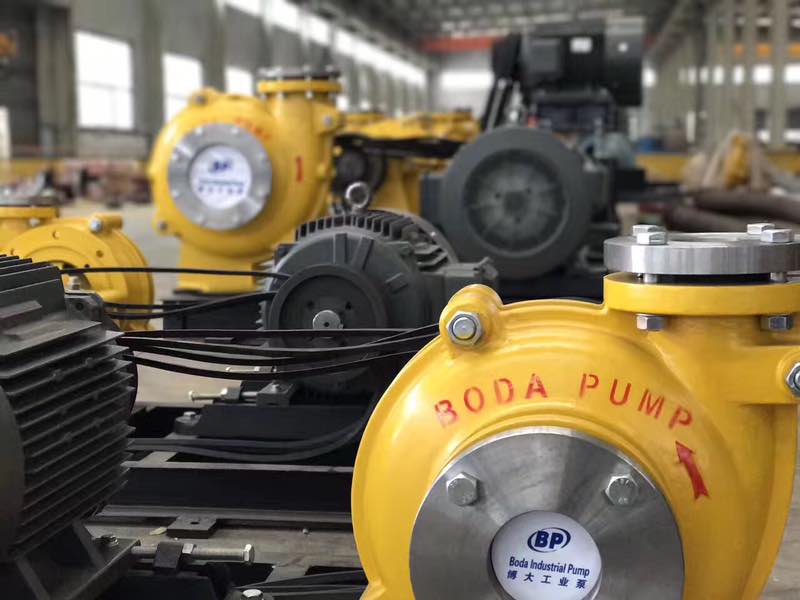
In many applications, the use of a slurry pump is an obvious necessity; waste removal and transport of various mined materials, for example, clearly require an effective slurry pump. However, there are a variety of applications where the use of a slurry pump, although equally necessary, is far less evident. In these situations, companies can waste a great amount of money on pump repair, maintenance and replacement-money that could have been saved by the installation of a slurry pump. Generally, a slurry pump should be considered whenever a fluid may contain more particulate than normal drinking water.
In design, slurry pumps are manufactured from a large assortment of materials. They are usually larger in size than normal liquid pumps, but this is merely a generality and most pump manufacturers can engineer slurry pumps to a variety of sizes. The primary factor in slurry pump design is the application for which the pump will be used. Rubber-lined pumps, for example, are effective for liquids containing fine particulate, while hard metal is necessary for rough solids. By and large, slurry pumps are manufactured to withstand a great deal of wear, and most perform in harsh environments with relatively little maintenance. These pumps can run trouble-free for extended periods of time in extreme conditions, even submerged.
Centrifugal pumps are often employed as slurry pumps. These pumps operate through the movement of a fixed impeller on a rotating shaft. This impeller is contained within a casing, and its movement generates centrifugal force, creating pressure in the fluid being pumped.
If you have any inquiry for slurry pump, please feel free to contact us: sales@bodapump.com skype:bodapump2